Toe Spacers: The Complete Guide to Why They Work, How to Use Them, and Which Ones to Buy
Toe spacers are having a moment. What used to be a niche product recommended by barefoot running coaches and progressive podiatrists has gone mainstream. And for good reason — they might be the single most impactful thing you can do for your foot health for under $20.
But like any wellness product that goes viral, there's a lot of confusion about what they actually do, how to use them correctly, and which ones are worth buying. This is the definitive guide.
What Toe Spacers Actually Do
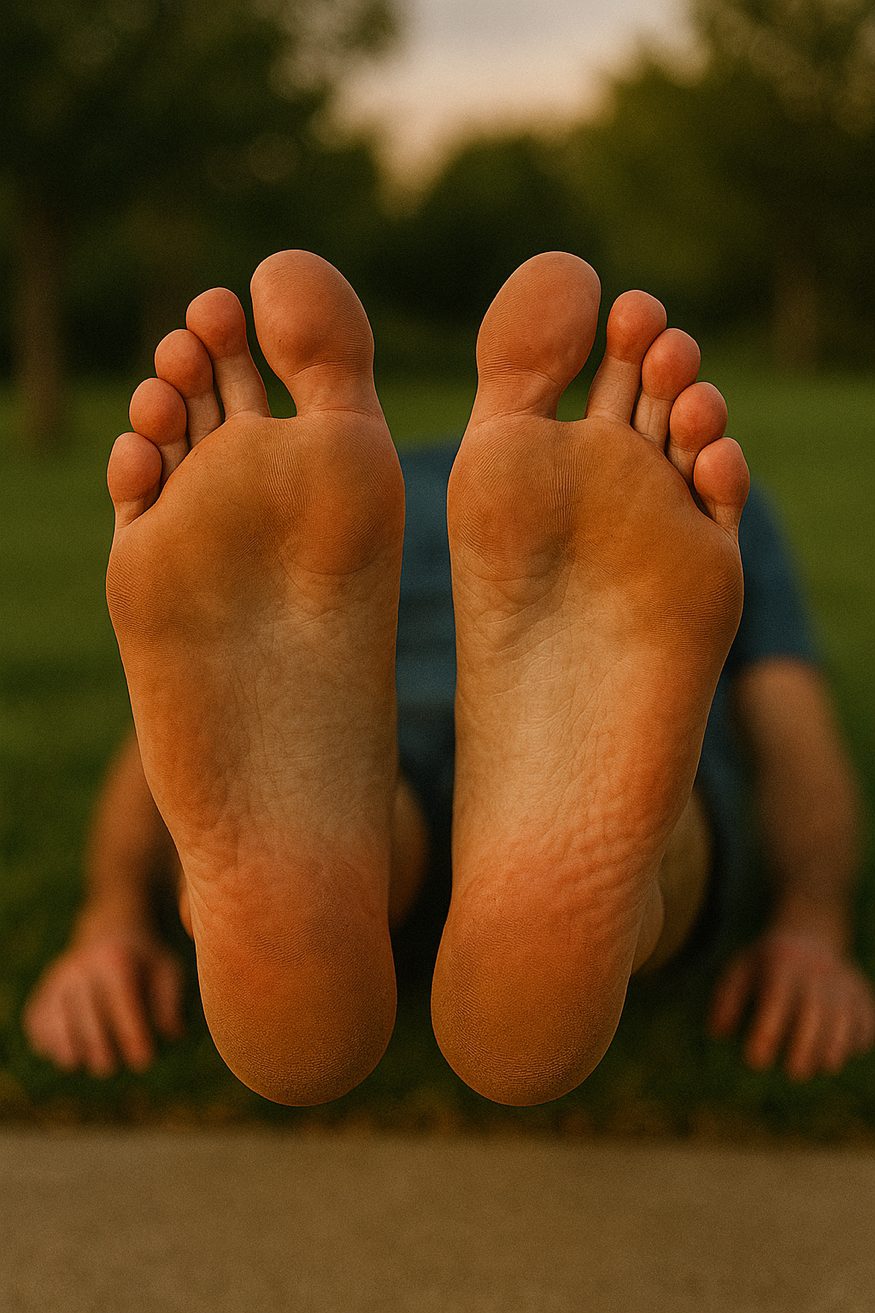
Your toes were designed to spread wide — like fingers. Watch a baby's feet and you'll see: toes fanned out with clear daylight between each one, the big toe pointing straight ahead, the little toe splayed out to the side. That's the natural architecture.
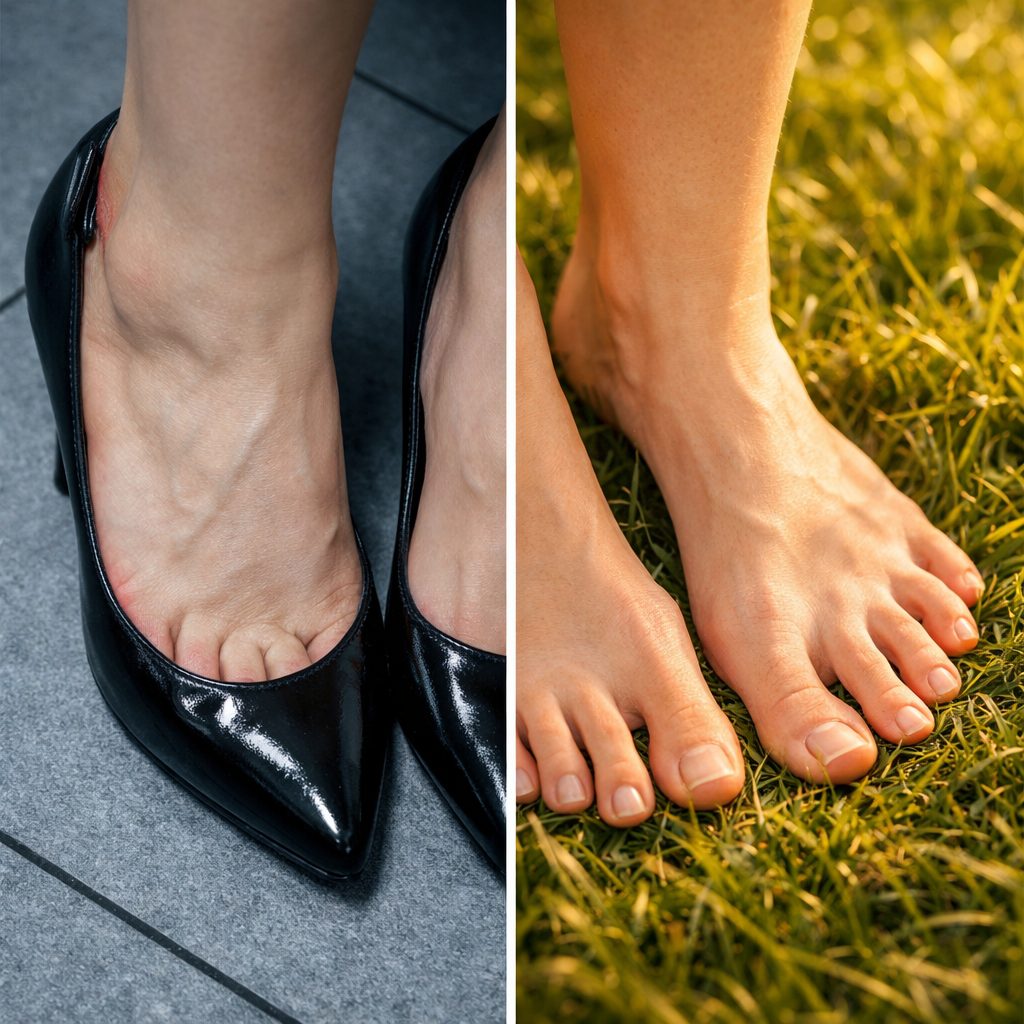
Now look at your feet after decades of shoes. Your toes are likely compressed together, the big toe angling inward toward the second toe (a condition called hallux valgus that exists on a spectrum from mild to severe bunion), and the little toe curled underneath or pressed against the fourth toe. The natural splay is gone.
Toe spacers sit between your toes and gently encourage them back toward their natural splayed position. Over time — weeks to months of consistent use — the soft tissues adapt and your toes begin holding a wider position even without the spacers in.
Why Toe Alignment Matters More Than You Think
Toe alignment isn't cosmetic. It's biomechanical. Your big toe is responsible for approximately 85% of your foot's push-off force during walking. When it angles inward (toward the other toes), that force vector changes — you lose stability, your gait efficiency drops, and compensatory patterns develop up the kinetic chain.
Compressed toes also reduce your base of support. A foot with naturally splayed toes has a significantly wider contact patch with the ground than one with compressed toes. Wider base = better balance. Better balance = lower fall risk. Lower fall risk = longer healthspan.
This isn't about pretty feet. It's about functional feet.
How to Use Toe Spacers Correctly
Start Slow
Your toes have been compressed for years, possibly decades. The tissues — muscles, ligaments, joint capsules — have shortened and adapted to that compressed position. Forcing them apart too fast will cause soreness and potentially inflammation. Start with 10-15 minutes per day and increase by 5 minutes every few days until you reach 30-60 minutes.
Wear Them While Lounging
The best time for toe spacers is when you're sitting, watching TV, reading, or working at a desk. You don't need to walk in them initially. Just let them passively stretch the inter-toe tissues while you're stationary.
Progress to Walking
After 2-3 weeks of stationary use, try walking around your house with them in. Start with 5-10 minutes. The sensation will be strange at first — your foot has to stabilize differently with spread toes. This is actually a bonus: you're training your intrinsic foot muscles while stretching your toes.
Don't Sleep in Them
Extended overnight use can overcorrect and cause irritation between the toes. 30-60 minutes of intentional daily use is more effective than 8 hours of passive nighttime use.
Which Material to Choose
Medical-Grade Silicone (Best)
Soft, hypoallergenic, easy to clean, durable. Medical-grade silicone spacers conform to your toe shape while providing consistent gentle pressure. They last 6-12 months with daily use. This is what most podiatrists recommend.
Gel (Good for Beginners)
Even softer than silicone. Good if you have very sensitive feet or significant toe compression. The downside: they wear out faster and can feel slimy.
Hard Plastic / Wood (Advanced)
Provide more aggressive correction but can be uncomfortable for beginners. Best for people who have already adapted to softer spacers and want to push further.
Exercises to Combine With Toe Spacers
Toe spacers work best when combined with active exercises that strengthen the muscles in their new, expanded range of motion:
- Toe splay lifts: With spacers in, try to actively spread your toes even wider than the spacers allow. Hold 5 seconds, release. 10 reps.
- Big toe isolation: Press your big toe into the floor while lifting the other four toes. Then reverse — lift just the big toe while the others stay down. This rebuilds independent toe control.
- Towel scrunches: Place a towel on the floor, put your foot on it (with spacers), and scrunch the towel toward you using only your toes. 3 sets of 10.
- Barefoot balance: Stand on one foot with spacers in. The wider toe base makes this easier — use the advantage to build balance duration.
Toe spacers are not a one-time fix. They are a daily practice — like brushing your teeth for your feet. 30 minutes a day, combined with barefoot time and toe exercises, will transform your foot structure within 8-12 weeks.