The Science of Proprioceptive Footwear: How Textured Surfaces Rewire Your Nervous System
You have over 200,000 mechanoreceptors on the bottom of each foot. These tiny sensory nerve endings are among the densest concentrations of neural hardware anywhere in your body — rivaling your fingertips. They detect texture, pressure, vibration, temperature, and skin stretch. They're the reason you can balance on one leg, walk without looking at your feet, and catch yourself before you fall.
And for most of your waking life, they're completely silent.
Modern footwear — cushioned, rigid, elevated, and smooth — has effectively disconnected your feet from the sensory world they evolved to navigate. The result is a slow, silent deterioration of the neural pathways that keep you upright, stable, and moving well. This isn't hypothetical. It's measurable. And it accelerates with age.
Proprioceptive footwear is designed to reverse this.
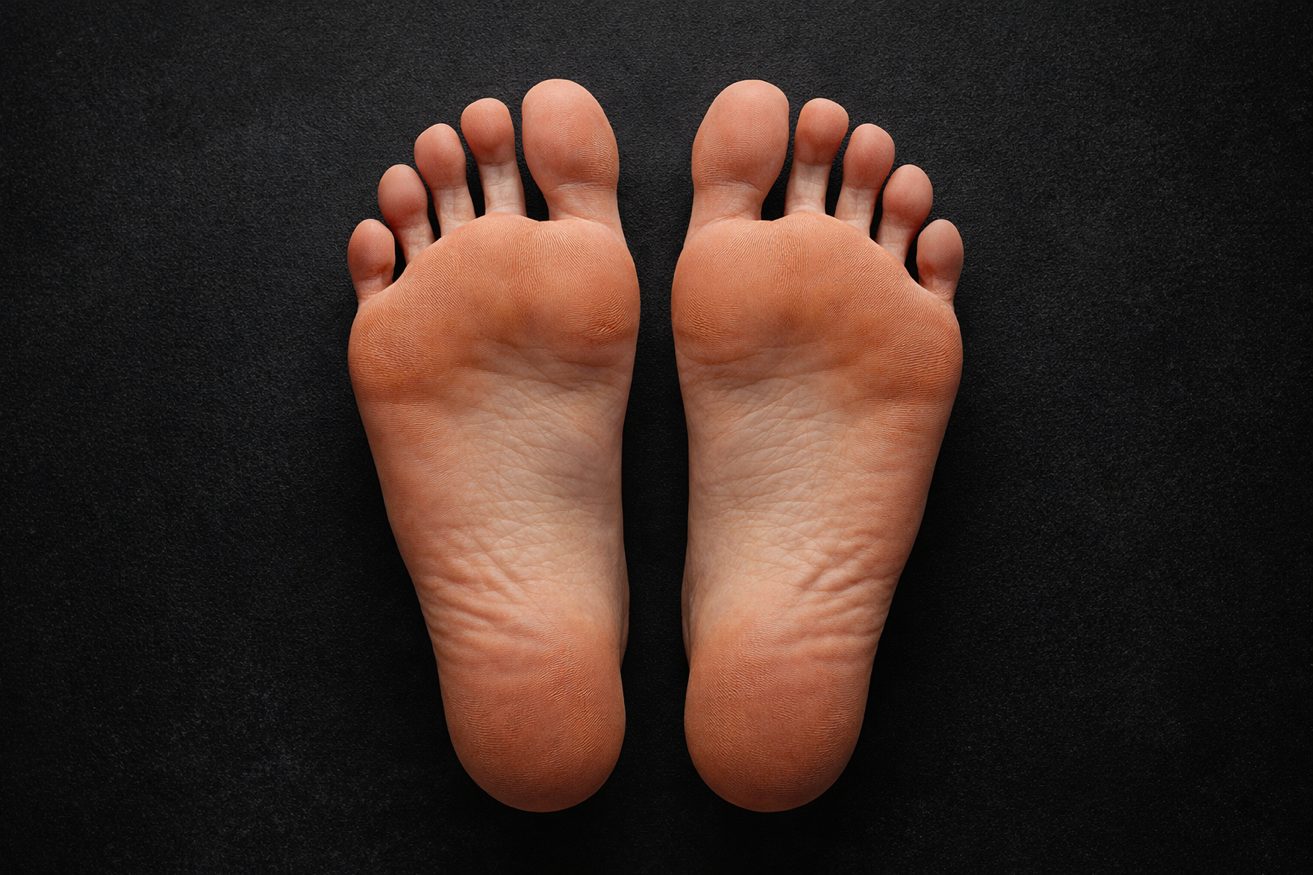
What Is Proprioception?
Proprioception is your body's ability to sense its own position, motion, and equilibrium without relying on vision. It's sometimes called the "sixth sense" — the one that lets you touch your nose with your eyes closed, walk in a straight line in the dark, or feel when you're leaning too far forward without looking down.
The proprioceptive system relies on mechanoreceptors embedded in muscles, tendons, joints, and critically, in the skin. The plantar surface of your foot — the sole — is one of the most proprioceptively rich areas of the entire body. Four types of mechanoreceptors populate this surface, each tuned to different stimuli:
- Meissner's corpuscles — detect light touch and texture changes. Concentrated in the forefoot and toe pads.
- Merkel cells — detect sustained pressure and fine spatial detail. Dense across the ball of the foot.
- Pacinian corpuscles — detect vibration and rapid pressure changes. Found deep in the heel and midfoot.
- Ruffini endings — detect skin stretch and sustained force. Distributed across the entire plantar surface.
When you walk barefoot on natural terrain — grass, gravel, sand, forest floor — all four receptor types fire continuously. They send a constant stream of data to the somatosensory cortex in your brain, which processes the information and activates the appropriate postural muscles to keep you balanced and aligned.
When you walk on flat, smooth surfaces in cushioned shoes, that data stream goes dark. Your brain receives almost no plantar input. Your postural muscles disengage. Over years, the neural pathways atrophy.
What the Research Shows
The science supporting textured surface stimulation is growing rapidly. Several key studies have demonstrated measurable effects on balance, gait, and neuromuscular function:
Hatton et al. (2011) demonstrated that textured insole surfaces significantly reduced medial-lateral postural sway in standing subjects. The finding suggests that even mild surface texture provides enough sensory input to improve balance control — essentially giving the brain more data to work with.
Clark et al. (2014) found that textured insoles decreased prefrontal cortex activity during gait. This is a remarkable finding: it means walking became more automatic and subconscious with textured input. As we age, gait requires more conscious brain involvement — a major contributor to fall risk. Textured surfaces appear to reverse this trend.
Steinberg et al. (2016) showed that textured insoles in ballet dance shoes enhanced the rate of ankle joint position sense, translating to improved movement accuracy and faster stabilization. The implication for athletes is clear: better foot sensation means better performance.
Iglesias et al. (2012) demonstrated that harder-durometer (firmer) insole materials produced greater reductions in postural sway than softer materials. This is counterintuitive — we're conditioned to think "softer = better" for our feet. In reality, firmer surfaces transmit more sensory information to the brain.
How Proprioceptive Footwear Works
Proprioceptive footwear integrates textured surfaces — specifically calibrated raised elements — into the footbed or insole of a shoe or sandal. The texture is designed to stimulate the small nerve mechanoreceptors described above, keeping the sensory-motor loop active throughout the day.
The key design parameters are:
- Texture height — the elevation of each raised element. Too short and the receptors don't fire. Too tall and it becomes painful. Research suggests 1.0–2.0mm is the optimal range for sustained activation.
- Texture shape — pyramidal or dome-shaped elements create two-point discrimination stimuli, which more effectively activate Meissner's corpuscles than flat or ridged textures.
- Spacing — the distance between texture elements determines which receptor types are preferentially stimulated. Tighter spacing targets fine-touch receptors; wider spacing engages deep pressure receptors.
- Durometer (hardness) — firmer materials transmit more signal. The texture should be firm enough to maintain its shape under body weight but not so hard that it causes tissue damage.
Beyond Texture: The Case for Zoned Stimulation
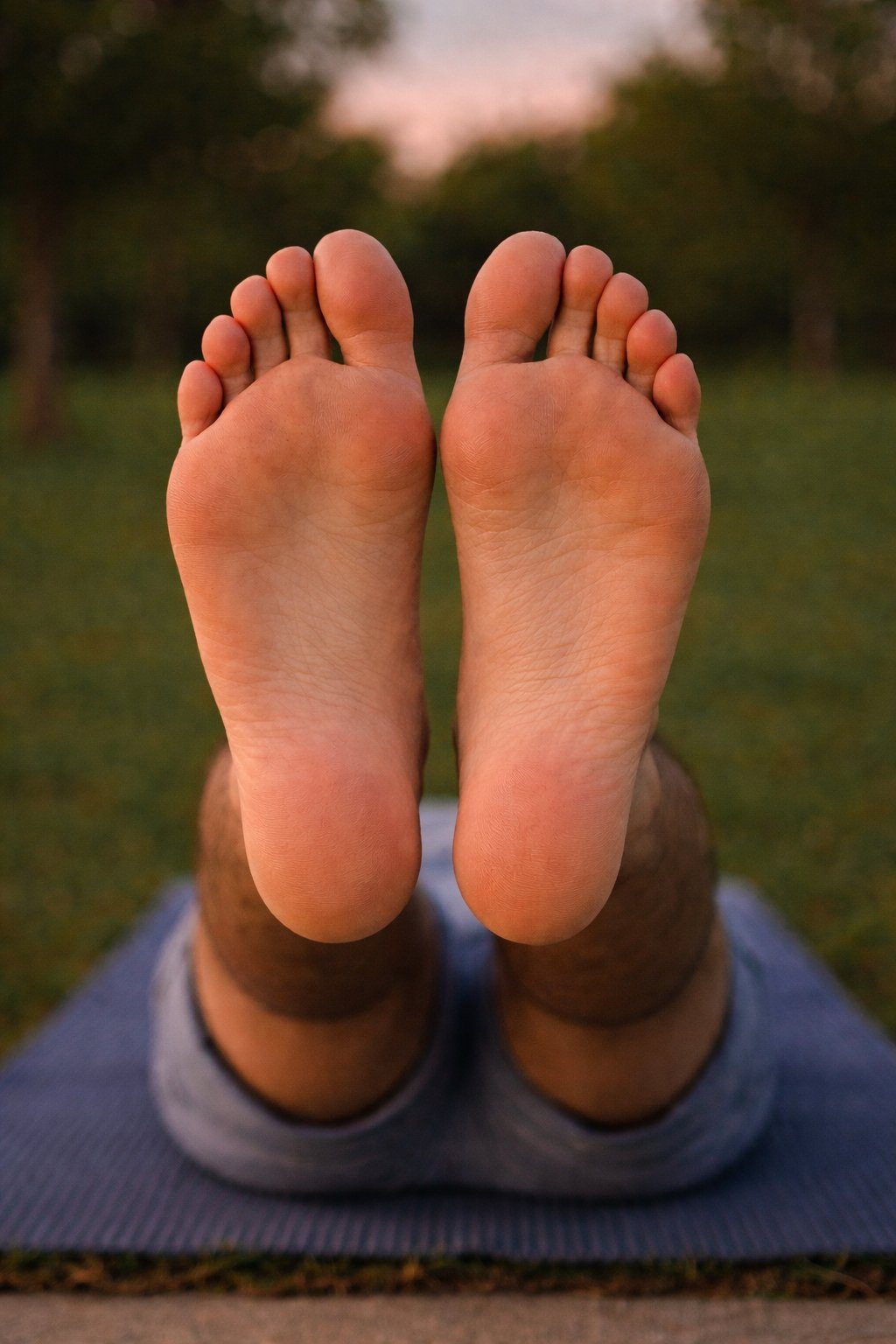
Most proprioceptive surfaces use a uniform texture across the entire footbed. But the plantar surface of the foot is not uniform — receptor density varies dramatically by region. The ball of the foot has the highest concentration of Meissner's corpuscles. The heel has more Pacinian corpuscles. The arch has fewer surface receptors but more deep-tissue proprioceptors.
A truly optimized proprioceptive surface would map texture density and type to the underlying receptor architecture of the foot — what we call zoned stimulation. Different zones, different textures, different activation targets. This is the approach PLANTR takes with its 4-zone footbed.
The Longevity Angle
Fall prevention is one of the most important longevity interventions available. Falls are the leading cause of injury-related death in adults over 65, and the decline in balance and gait stability that leads to falls begins decades earlier — often in your 30s and 40s.
The primary driver of this decline is the progressive loss of plantar proprioception. As the mechanoreceptors on the bottom of your feet receive less stimulation (from smooth shoes on smooth floors), the neural pathways weaken. By the time balance becomes a noticeable problem, decades of sensory deprivation have already occurred.
Proprioceptive footwear is a daily intervention that rebuilds and maintains these pathways. It's not a workout you do for 30 minutes — it's a surface that activates your nervous system with every step, every stand, every moment your feet are in contact with it. The compound effect over months and years is significant.
PLANTR: Proprioceptive Technology, Quantified.
22 sensors. 4 activation zones. Real-time gait data. The world's first intelligent recovery slide.
Reserve Your Pair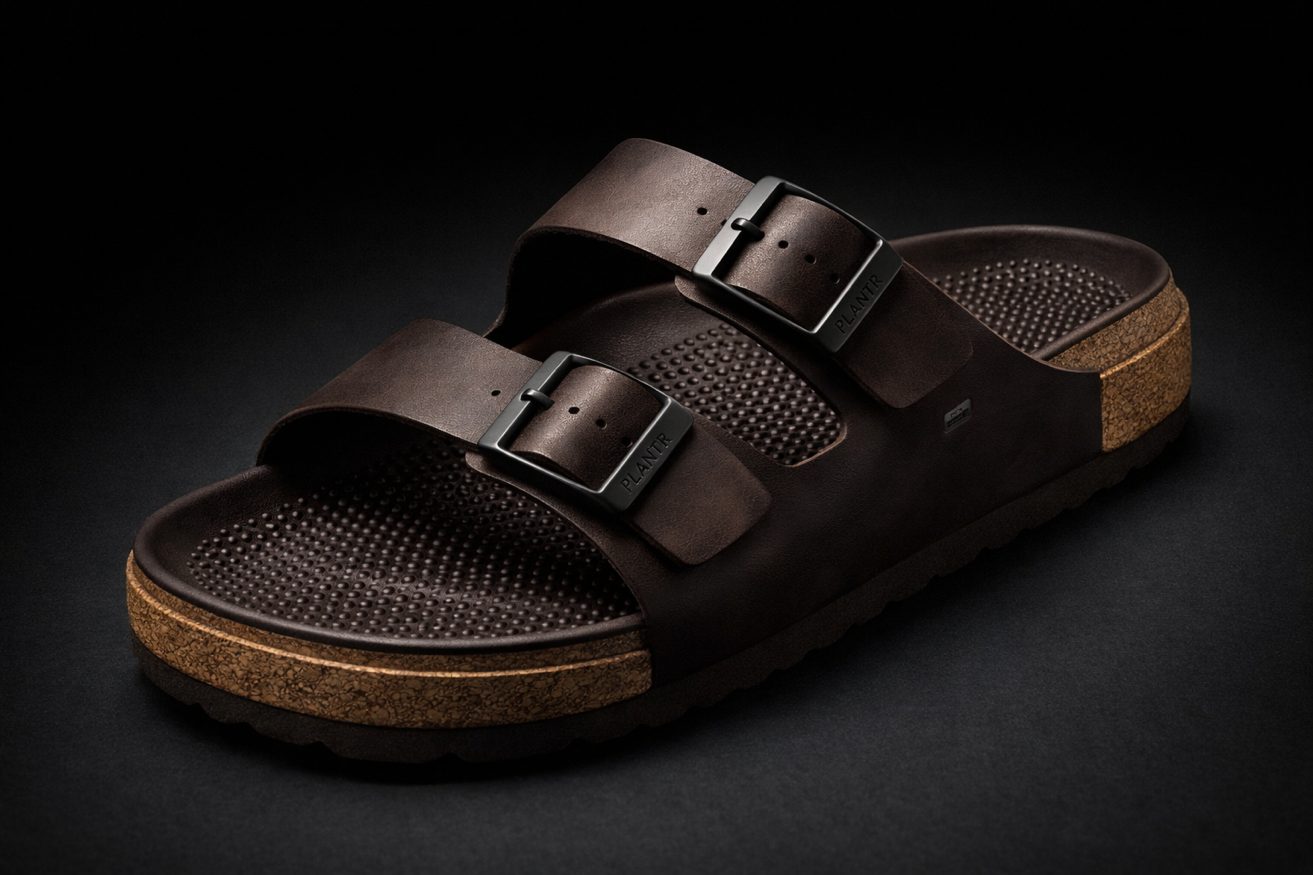
The Future of Foot-Brain Connection
The next frontier isn't just passive texture — it's active sensing. Emerging research from Ohio State University and Georgia Tech has demonstrated smart insole systems with embedded pressure sensors that can classify different movement states using machine learning, detect gait anomalies, and even predict fall risk in real time.
When you combine proprioceptive texture (the stimulation layer) with embedded sensors (the data layer) and wearable integration (the context layer), you get something entirely new: a footwear platform that simultaneously activates your nervous system and quantifies how it responds.
That's what PLANTR is building. Not a shoe. Not a sandal. A nervous system optimization platform that happens to live on your feet.