Foot Recovery for Athletes: Why the Best Recovery Protocol Starts at Your Soles
You own a Theragun. You have compression boots. You cold plunge. You foam roll. You supplement with magnesium and tart cherry. Your recovery stack is dialed.
But when was the last time you did anything specifically for your feet?
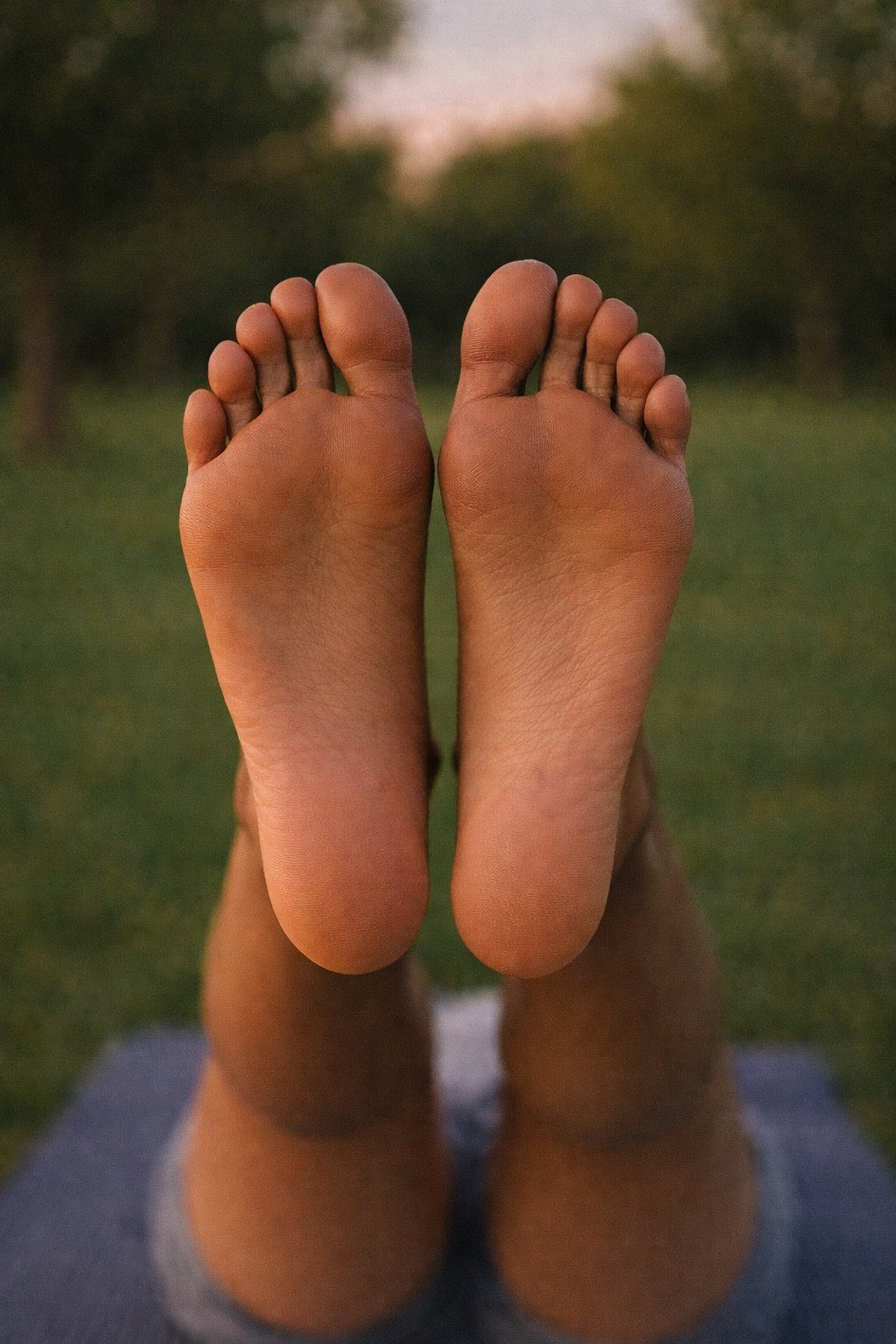
The Most Neglected Recovery Surface
Your feet absorb 1.5x your body weight with every step during walking and up to 3-4x during running. Over a typical training day, that adds up to hundreds of thousands of pounds of cumulative force channeled through 26 bones, 33 joints, and over 100 muscles per foot. Yet most recovery protocols treat the foot as an afterthought — if they address it at all.
The Proprioceptive Recovery Concept
Recovery is not just about reducing inflammation and promoting tissue repair. It is also about maintaining and rebuilding the neural pathways that drive movement quality. Proprioceptive recovery — stimulating the mechanoreceptors in the feet after training — helps restore the sensory-motor loop that intense exercise can temporarily degrade.
Research shows that proprioceptive function decreases after fatigue. Walking on textured surfaces post-exercise has been shown to accelerate the restoration of balance and gait stability compared to passive rest alone.
A Simple Foot Recovery Protocol
- Post-training: Remove shoes immediately. Walk barefoot for 5-10 minutes on varied surfaces.
- At home: Step into recovery slides with proprioceptive texture. The passive stimulation works while you cook dinner and watch TV.
- Before bed: 2 minutes of toe spacer use and gentle manual toe mobilization.
- Track it: Monitor your balance and gait metrics day over day to see how quickly your proprioceptive function recovers post-training.
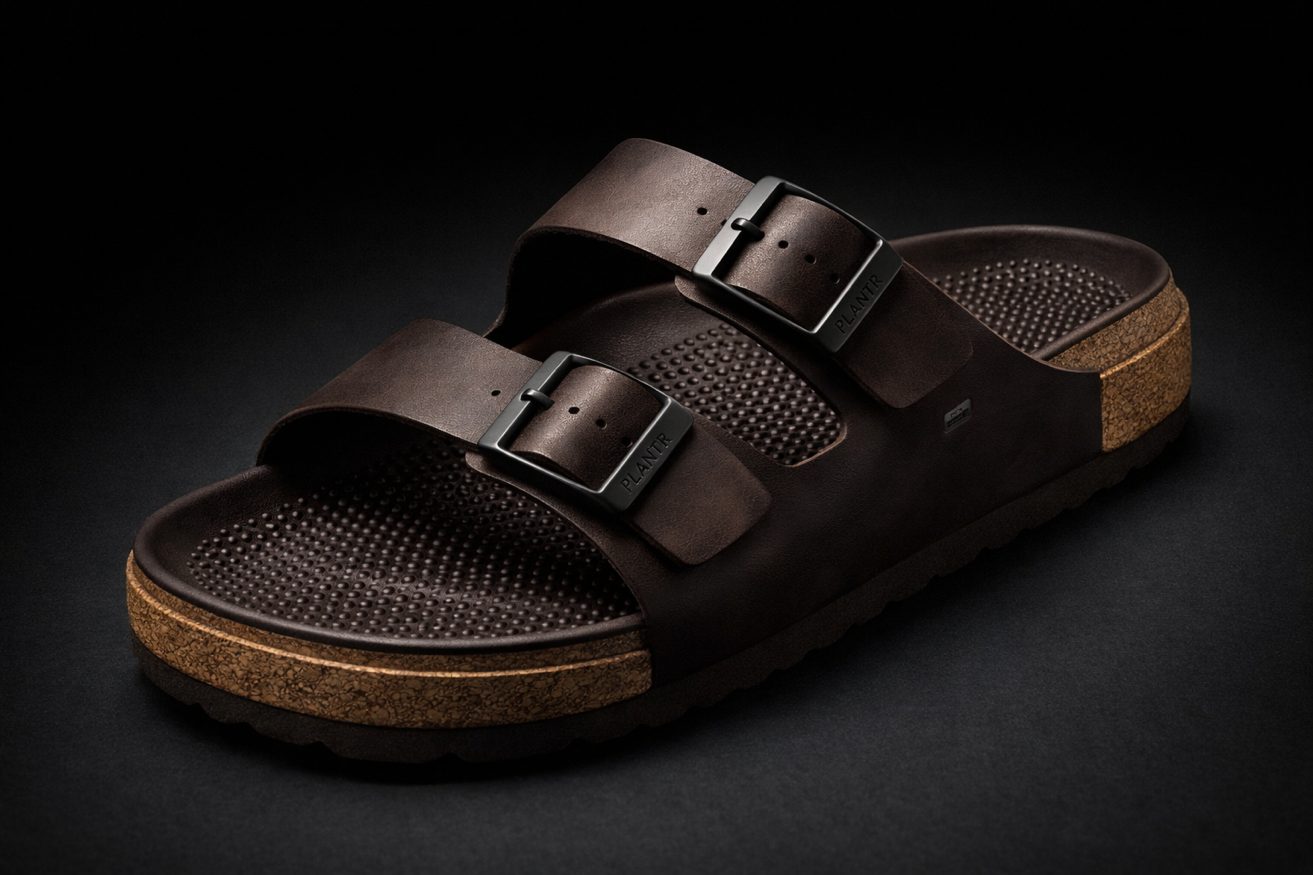
Your recovery stack is incomplete without your feet. The foundation absorbs the most force and gets the least attention. Fix that, and everything above it benefits.