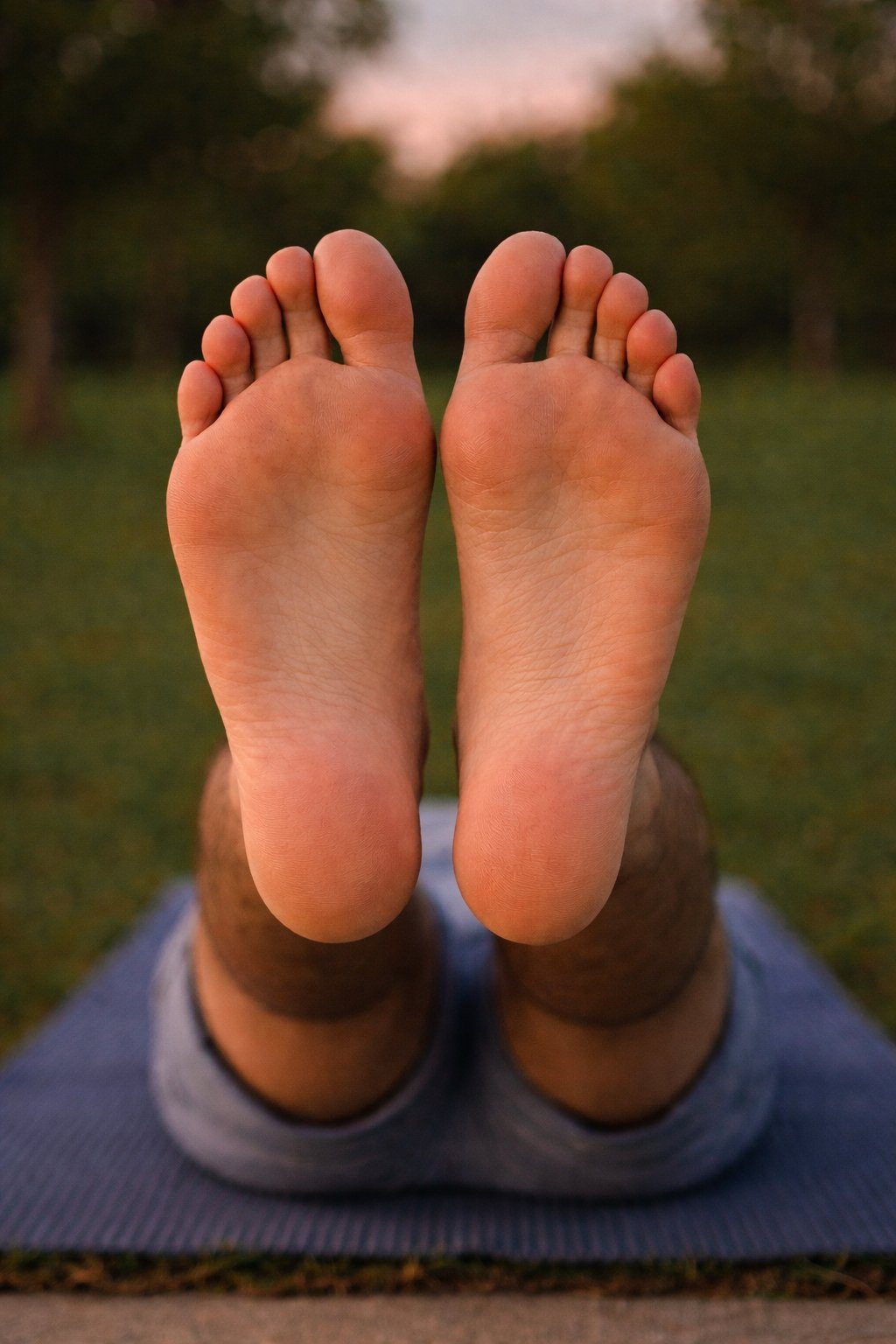
The 15 Best Surfaces to Walk Barefoot On, Ranked by How Much They Activate Your Feet
Not all barefoot walking is created equal. Your feet respond differently to every surface you stand on — some surfaces light up your nervous system like a Christmas tree, while others barely register. We ranked the 15 best surfaces for barefoot walking based on three criteria: proprioceptive stimulation, muscle activation, and how damn good it feels.
Tier 1: Maximum Activation
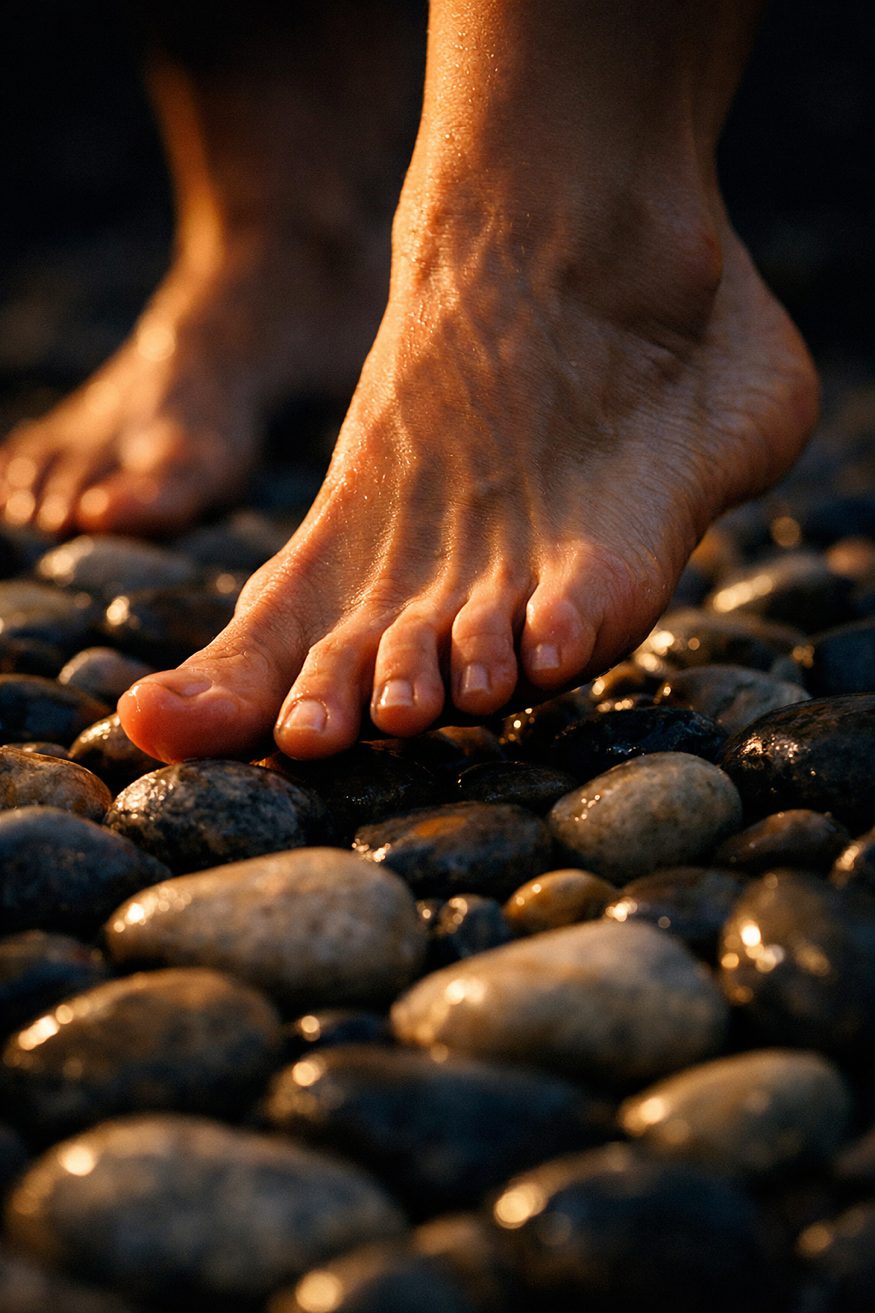
1. River Pebbles / Smooth Gravel
The king of barefoot surfaces. Each step requires micro-adjustments from every muscle in your foot. The rounded stones massage your plantar surface while demanding constant balance recalibration. Intense but not painful. 10/10 activation.
2. Beach Sand (Wet, Hard-packed)
Firm enough to push off, soft enough to yield. Your toes dig in and grip with every step. The temperature variation from sun-warmed to water-cooled adds a thermal dimension. Walking where the waves break is barefoot perfection. 9.5/10.
3. Forest Trail (Needles, Dirt, Roots)
The most varied surface in nature. Soft pine needles, firm packed dirt, smooth roots, occasional stones. Every step is different. Your feet process more data in 10 minutes on a forest trail than in 8 hours on carpet. 9.5/10.
Tier 2: High Activation
4. Dewy Grass (Morning)
Cool, wet, alive. The moisture heightens every sensation. Individual blades press between your toes. The uneven ground beneath keeps your stabilizers firing. Add the emotional component of morning sunlight on bare feet in fresh grass and this becomes almost spiritual. 9/10.
5. Warm Concrete (Sidewalk)
Underrated. Sun-heated concrete provides a firm, consistent surface with surprising micro-texture. Your foot muscles work hard against the unyielding surface. The warmth enhances blood flow. 8.5/10.
6. Beach Sand (Dry, Loose)
Every step sinks and shifts. Your foot muscles — especially the arch — work overtime to stabilize. Excellent for building intrinsic foot strength. The instability is the feature. 8.5/10.
7. Wooden Deck (Natural, Unfinished)
Grain texture provides subtle stimulation. Warm from the sun, firm underfoot. The natural variation in wood boards keeps things interesting. 8/10.
Tier 3: Moderate Activation
8. Tile (Natural Stone)
Cool, firm, with grout lines providing micro-texture breaks. Slate and travertine are best — they have natural surface variation. Polished marble is too smooth to score higher. 7.5/10.
9. Thick Carpet
Your toes grip and release with each step. The give requires more stabilization than you'd expect. Not as good for sensory input but excellent for muscle activation. 7/10.
10. Rubber Gym Flooring
Firm with slight give. Decent ground feel. Not much texture variety but good for barefoot training. 6.5/10.
Tier 4: Low Activation (Still Better Than Shoes)
11-15: Hardwood, Laminate, Indoor Concrete, Yoga Mat, Thin Carpet
These all provide basic ground contact — better than any shoe — but minimal texture variation. Your feet are "on" but not fully activated. Score range: 4-6/10.
The secret is variety. Don't stick to one surface. Walk barefoot on as many different textures as possible throughout your week. Your nervous system craves novelty — same surface every day leads to habituation and diminishing returns.